

The Hidden Value of Professional Photography: Why Your Phone Camera Isn’t Enough
We live in an era where everyone has a high-quality camera in their pocket. Modern smartphones produce images that would have been technically impressive from professional equipment just a decade ago. So it’s natural for business owners to wonder: do we really need professional photography?
The short answer is yes. But the reason isn’t what most people think.
The technical quality of an image — its sharpness, resolution, and colour accuracy — is the least important factor in professional photography. What makes professional visual content valuable is everything that happens before the shutter clicks and everything that happens after.
Before a professional shoot begins, there is a process of strategic thinking that most people never see. What story does this image need to tell? What emotion should the viewer feel? How will this image be used — on a website hero banner, in a social media carousel, on printed packaging, in a presentation? Each context has different requirements for composition, aspect ratio, lighting mood, and visual hierarchy. A professional photographer plans for all of these simultaneously. A phone snapshot captures a single moment from a single perspective for no particular purpose.
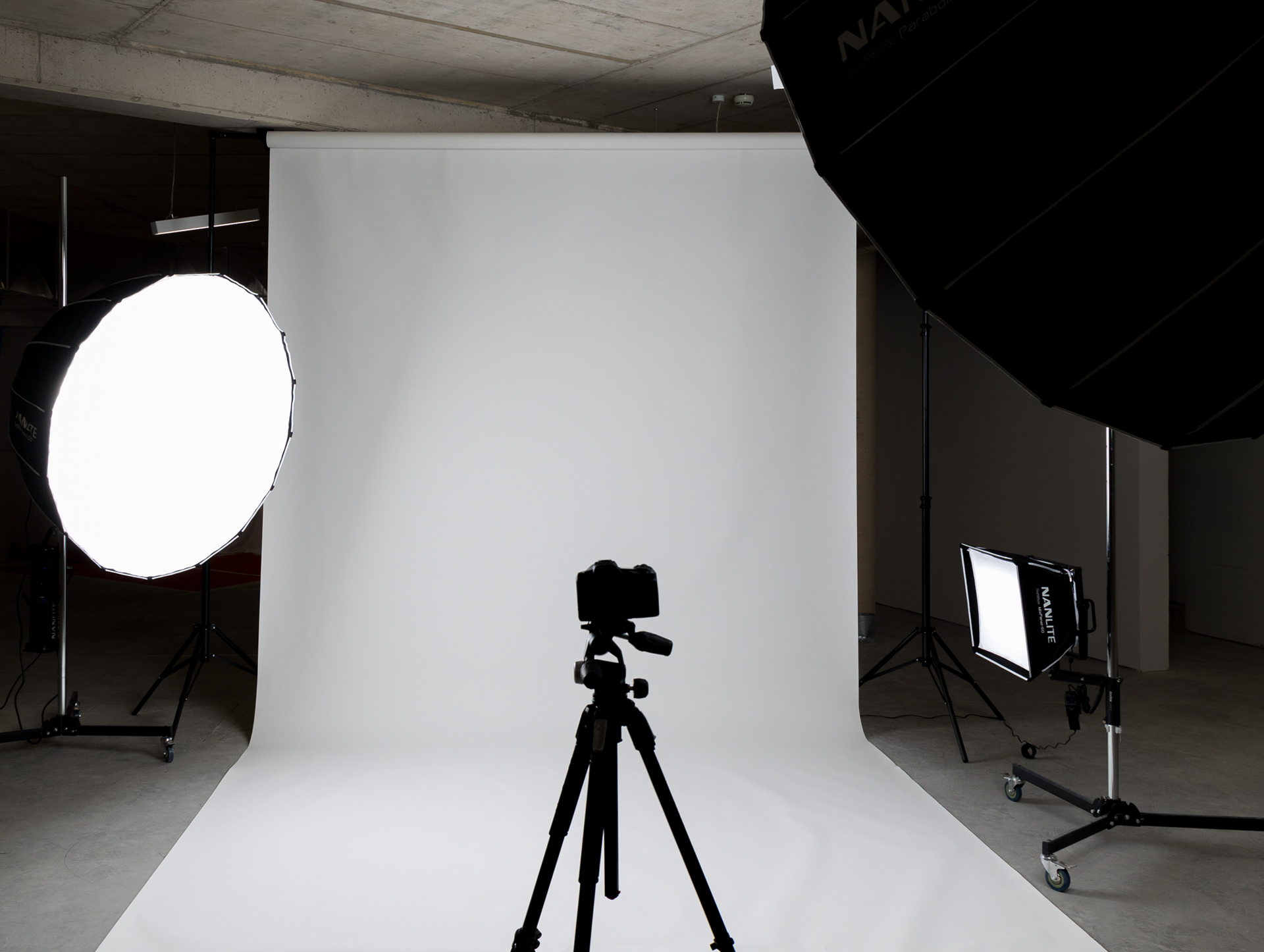
Lighting is perhaps the most underestimated element of professional photography. In our studios, we use a combination of flash and continuous lighting systems that can be precisely controlled and shaped. This isn’t about making things brighter — it’s about sculpting dimension, creating mood, directing the viewer’s eye, and revealing the qualities that make a product or space special. The difference between flat smartphone lighting and professionally directed lighting is the difference between a product that looks like an object and a product that looks like something you want to own.
Post-production is where professional photography truly separates itself from amateur work. Colour grading ensures that every image aligns with a brand’s visual identity — that the warm tones of a leather shoe look exactly the same on a website, in a printed catalogue, and in an Instagram post. Retouching removes distractions without creating the artificial, over-processed look that erodes trust. File preparation ensures that images load quickly on web while maintaining the detail needed for print.
There is also a less tangible but equally important dimension: art direction. When we produce visual content for a brand, every element in the frame is intentional. The background, the props, the angle, the styling — all of these communicate something about the brand’s positioning and values. This level of intentionality simply doesn’t happen with casual photography, regardless of how good the camera is.
We have seen the impact of this difference firsthand. When we developed the visual content for Campobello Shoes, the photography wasn’t just about showing what the shoes look like. It was about communicating the feeling of artisanal quality, the personality of the brand, and the lifestyle of its customers. Each image was conceived as part of a larger visual narrative that would work across social media, web, and print. The result was a body of work that didn’t just represent the product — it made people want to be part of the brand’s world.
For businesses operating in competitive markets, professional photography is not a luxury. It’s the difference between being seen and being overlooked, between communicating quality and merely claiming it. Your audience may not be able to articulate why one brand’s visual content feels more compelling than another’s, but they respond to it instinctively. That instinctive response is what professional photography creates.
Your phone camera captures images. A professional studio creates visual stories. The distinction matters more than most businesses realise.